
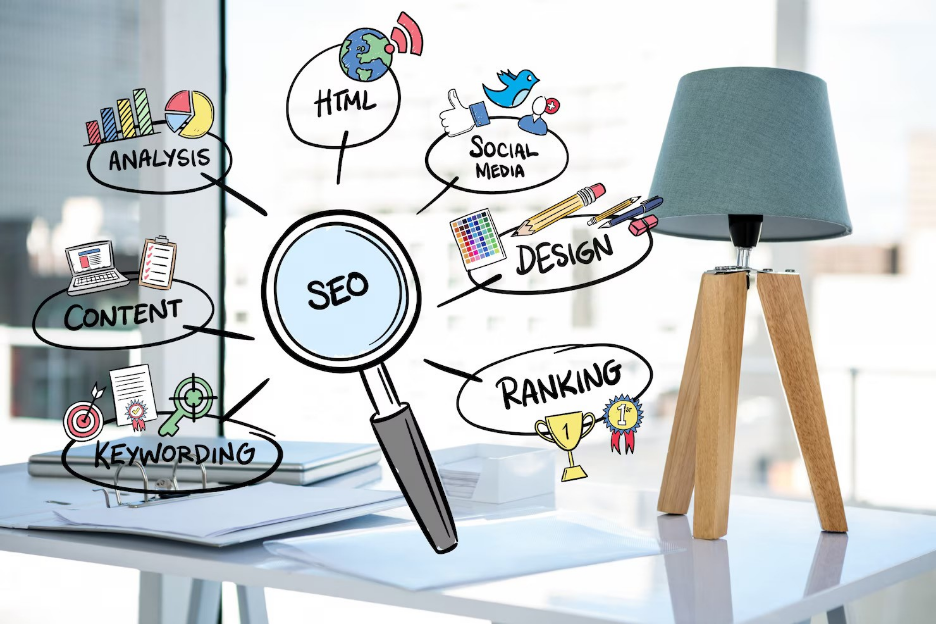
In today’s competitive digital environment, businesses cannot afford to treat design and search engine optimization as separate efforts. A well-structured web design and SEO strategy ensures that your website not only looks appealing but also performs effectively in search engines. When both elements are aligned, they create a seamless experience for users while improving visibility, engagement, and conversions.
This blog explores how web design and SEO complement each other, the strategic approaches businesses should adopt, and how companies like Websitem8 approach this integration for long-term online growth.
Understanding the Connection Between Web Design and SEO
Web design focuses on how a website looks and functions, while SEO determines how easily users can find it through search engines. These two elements are interconnected because search engines increasingly prioritize user experience as a ranking factor.
A modern SEO-friendly web design ensures that technical structure, usability, and content all support search visibility. Without this alignment, even a visually appealing website may struggle to attract organic traffic.
Why Integration Matters
Search engines like Google evaluate websites based on multiple factors, including page speed, mobile responsiveness, navigation, and content accessibility. These are all influenced by design decisions.
When businesses integrate UX SEO integration into their strategy, they create websites that:
- Load quickly across devices
- Offer intuitive navigation
- Provide accessible and structured content
- Encourage longer user engagement
This alignment improves both rankings and user satisfaction.
The Role of User Experience in SEO
User experience, often abbreviated as UX, has become a core component of SEO. Search engines track how users interact with your website, including bounce rates, time spent on pages, and click-through behavior.
Key UX Factors That Influence SEO
1. Page Load Speed
Slow websites lead to higher bounce rates. Optimizing images, reducing unnecessary scripts, and using efficient coding practices contribute to faster load times.
2. Mobile Responsiveness
With mobile-first indexing, search engines prioritize mobile versions of websites. A responsive design ensures consistent performance across all devices.
3. Navigation Structure
Clear menus and logical page hierarchy help users and search engines understand your site. Poor navigation can confuse visitors and reduce crawlability.
4. Content Readability
Proper formatting, headings, and spacing improve readability. This also helps search engines identify key topics on your pages. A well-executed UX SEO integration ensures that users find what they need quickly, which improves engagement metrics and boosts rankings.
Core Elements of an SEO-Friendly Web Design
Creating an SEO-friendly web design involves a combination of technical and visual elements. Each component plays a role in how search engines interpret your website.
Website Architecture
A clear and organized structure helps search engines crawl your website efficiently. This includes:
- Logical URL hierarchy
- Internal linking between pages
- Proper use of categories and subcategories
On-Page Optimization
Design should support content optimization by incorporating:
- Proper heading structure (H1, H2, H3)
- Keyword placement without overuse
- Optimized images with alt text
Visual Design and Accessibility
Design should enhance usability without compromising performance. Accessible design ensures that all users, including those with disabilities, can navigate to your site.
Technical SEO Considerations
Developers and designers must work together to implement:
- Clean and efficient code
- Schema markup where relevant
- Secure HTTPS protocols
These elements ensure that your web design and SEO strategy is technically sound.
Content and Design Alignment
Content and design should not exist in isolation. A strong strategy aligns both to guide users through the website journey.
Structuring Content for Engagement
Effective design highlights important content through:
- Strategic placement of headings
- Use of whitespace for readability
- Visual hierarchy that guides attention
Supporting SEO Goals
Design should make it easier to implement SEO best practices, such as:
- Clear call-to-action placement
- Optimized landing pages
- Easy content updates through CMS platforms
When content and design are aligned, businesses can deliver value to users while meeting search engine requirements.
Local Seo
Local visibility is essential for businesses targeting specific geographic areas. Integrating local SEO into your web design ensures that your website attracts relevant nearby users.
Key Local SEO Design Elements
- Location-specific landing pages
- Integration with maps and contact information
- Consistent business details across the site
A well-designed local strategy ensures that your website appears in location-based searches, increasing foot traffic and local engagement.
How Web Design Impacts Conversion Rates
A website’s design directly influences whether visitors take action. Even with strong traffic, poor design can result in low conversions.
Design Factors That Improve Conversions
Clear Call-to-Action Placement
Users should easily identify what action to take next, whether it is contacting your business or exploring services.
Trust Signals
Incorporating testimonials, certifications, and secure design elements builds credibility.
Consistent Branding
A cohesive design reinforces brand identity and builds user confidence.
By aligning design with SEO, businesses can attract the right audience and convert them effectively.
Common Mistakes in Web Design and SEO Strategy
Many businesses struggle because they treat design and SEO as separate processes. This often leads to inefficiencies and missed opportunities.
Mistakes to Avoid
- Designing a website without considering SEO structure
- Overloading pages with heavy visual elements that slow performance
- Ignoring mobile optimization
- Using inconsistent navigation across pages
- Failing to update content regularly
Avoiding these issues ensures a more effective web design and SEO strategy.
Building a Long-Term Strategy
A successful approach requires ongoing collaboration between designers, developers, and SEO specialists.
Steps to Build an Integrated Strategy
1. Start with Research
Understand your audience, keywords, and competitors before designing your website.
2. Plan the Structure
Develop a site architecture that supports both user experience and search engine crawling.
3. Design with SEO in Mind
Ensure that every design decision contributes to usability and optimization.
4. Monitor Performance
Track metrics such as traffic, bounce rates, and conversions to identify areas for improvement.
5. Continuous Optimization
Regular updates ensure that your website remains relevant and competitive. Companies like Websitem8 emphasize this continuous improvement approach to maintain long-term growth.
The Role of Technology in Integration
Modern tools and platforms make it easier to align web design and SEO.
Examples of Supporting Technologies
- Content management systems for easy updates
- Analytics tools for performance tracking
- Optimization tools for speed and technical improvements
Using the right tools ensures that your SEO-friendly web design remains effective over time.
Future Trends in Web Design and SEO
As search engines evolve, the relationship between design and SEO will continue to strengthen.
Emerging Trends
AI and Personalization
Websites are becoming more personalized based on user behavior, improving engagement.
Voice Search Optimization
Design and content must adapt to conversational search queries.
Core Web Vitals
Performance metrics such as loading speed and interactivity will remain critical.
Minimalist Design
Simplified layouts improve usability and performance, supporting SEO goals.
Staying updated with these trends helps businesses maintain a competitive edge.
Conclusion
A well-integrated web design and SEO strategy is essential for businesses aiming for sustainable online growth. By combining technical optimization with user-focused design, companies like Websitem8 can improve search visibility, enhance user experience, and increase conversions.
Rather than treating design and SEO as separate efforts, businesses should view them as interconnected components of a unified strategy. With the right approach, supported by consistent optimization and thoughtful execution, websites can become powerful tools for long-term success.
Websitem8.com I Boostm8.com I Tapm8.com I Referm8.com
What is a web design and SEO strategy?
A web design and SEO strategy is an approach that combines website design with search engine optimization to improve visibility, usability, and performance.
Why is SEO-friendly web design important?
SEO-friendly web design ensures that your website meets search engine requirements while providing a positive user experience, leading to better rankings and engagement.
How does UX SEO integration improve rankings?
UX SEO integration improves user experience, which reduces bounce rates and increases engagement, both of which are important ranking factors.
Can good design alone improve SEO?
No, design alone is not enough. It must be combined with technical SEO, content optimization, and performance improvements.
How often should I update my website for SEO?
Regular updates are recommended to keep content relevant, improve performance, and adapt to changing search engine algorithms.
What role does local SEO play in web design?
Local SEO helps businesses target specific geographic audiences by optimizing location-based content and design elements.
